
EP800: Susan Winchester - The Heart Of Healing
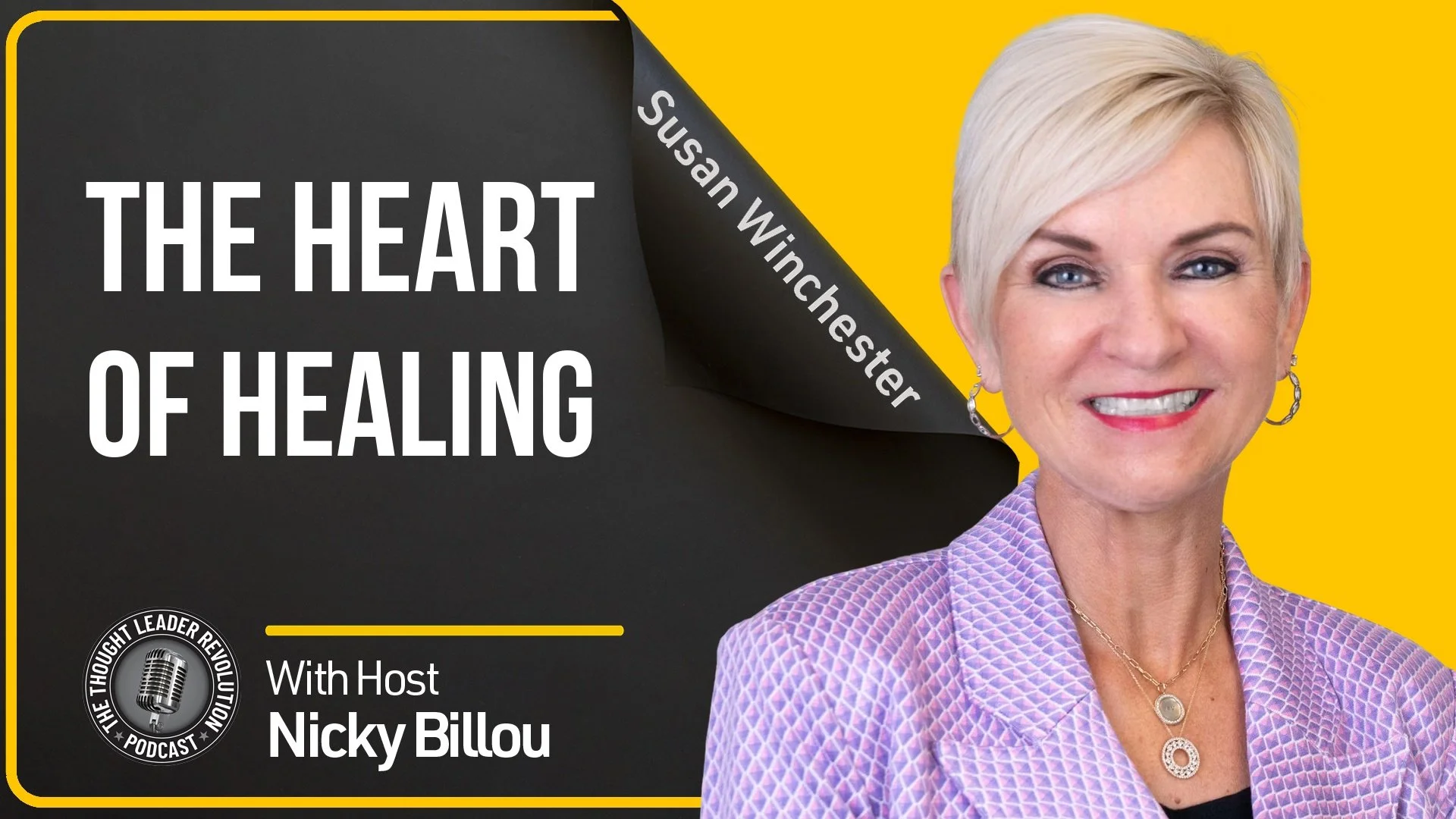
“I would have to say that at least 30 of those years, my success was fueled by my underlying belief that I wasn’t good enough. And that’s a really dysfunctional way to live a career.”
— Susan Winchester
Susan Winchester built one of the most decorated HR careers in corporate America — 36 years in the field, 16 and a half of them as a chief HR officer at Fortune 150 and Fortune 500 companies. She did it while quietly believing, for most of those decades, that she was not good enough. That contradiction is the foundation of her book Healing at Work, co-authored with Martha Finney, and it is what makes her perspective so unusual: she has seen this dynamic from the inside of the C-suite, from the coaching chair, and from her own life.
The conversation moves from the ACEs research — a landmark Kaiser Permanente and CDC study showing that nearly two-thirds of adults experienced at least one adverse childhood event — to the practical reality of what that means in professional settings. Winchester introduces the concept of “bumper car crashes” at work: those jarring moments of conflict or upset that feel disproportionate, because they often are. They are old wounds being activated by present circumstances, and most people going through them have no idea that is what is happening.
Nicky brings his own experience to this one, sharing a moment from a recent men’s overnight retreat where a trusted peer offered him Viktor Frankl’s insight on the space between stimulus and response — and what it meant to actually sit with it. It is a candid exchange, and Winchester handles it with both precision and grace.
Susan closes with three concrete steps anyone can start this week — including one deceptively simple question that can interrupt a reactive spiral before it takes hold.
Ask yourself “Am I sure?” the next time you feel upset at work. When a colleague seems cold or critical and the story starts building in your head, stop and question whether you actually know that to be true.
Start a journal and track your own bumper car reactions. Note your limiting beliefs, your behavioral patterns under stress, and where you tend to land — fight, flight, freeze, or fawn. Awareness of your hardwiring is the first step to changing it.
Practice self-compassion over the next five days. Choose one concrete act of kindness toward yourself each day — not as a reward, but as a discipline.
Learn more & connect: https://www.susanwinchester.com
Resources mentioned:
Healing at Work — Susan Winchester and Martha Finney
A Changed Mind — David Bayer
The Language of Letting Go — Melody Beattie
Man’s Search for Meaning — Viktor Frankl
The ACEs Study (Kaiser Permanente and CDC) — https://www.cdc.gov/aces
Visit https://www.eCircleAcademy.com and book a success call with Nicky to take your practice to the next level.